Hibiscus Obsession

Hibiscus Obsession

Hibiscus Obsession!

Winter season is the dormancy period for hibiscus plants. However, the desi variety of hibiscus plants which I planted has shown some good results. Hence, I planned another visit to the nursary. It’s early Spring and my hibiscus obsession is at its peak.

On arriving, I started inquiring about more varieties of hibiscus plants. The salesperson told that there are a wide variety of hybrid hibiscus plants available with them. These are also called the dwarf variety and are available in wide range of colors. These usually grow a little over a foot, hence the name.

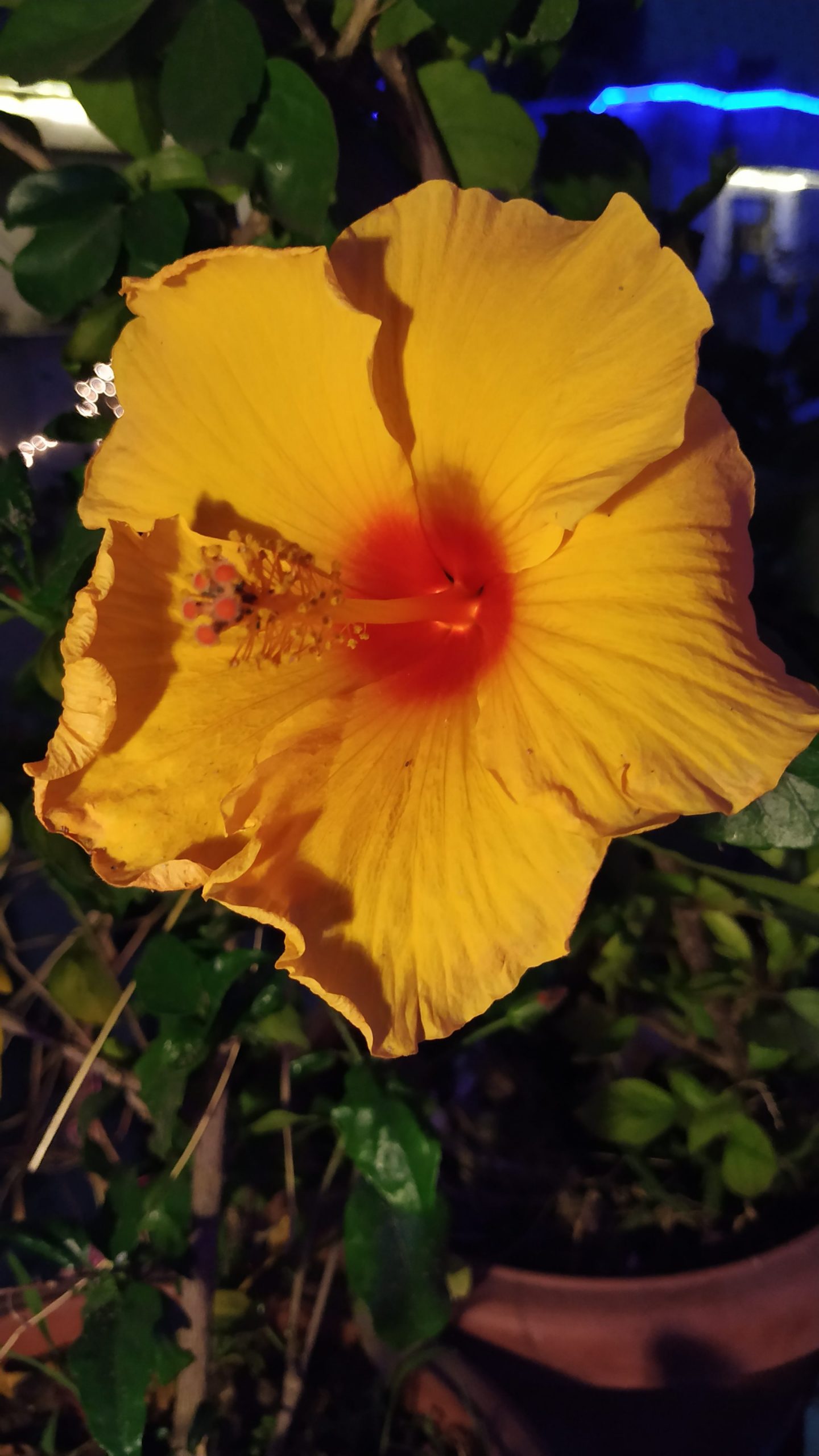
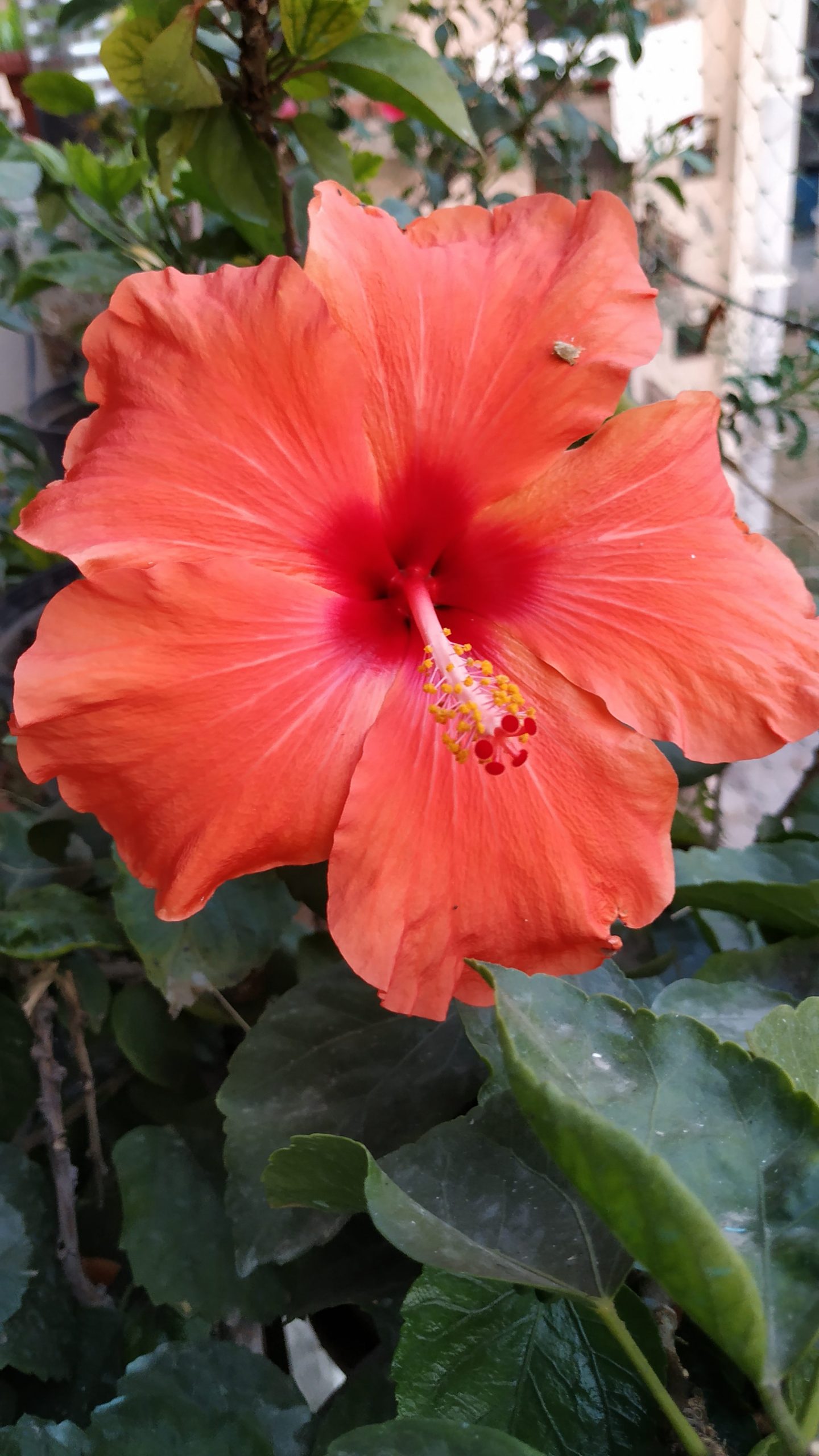
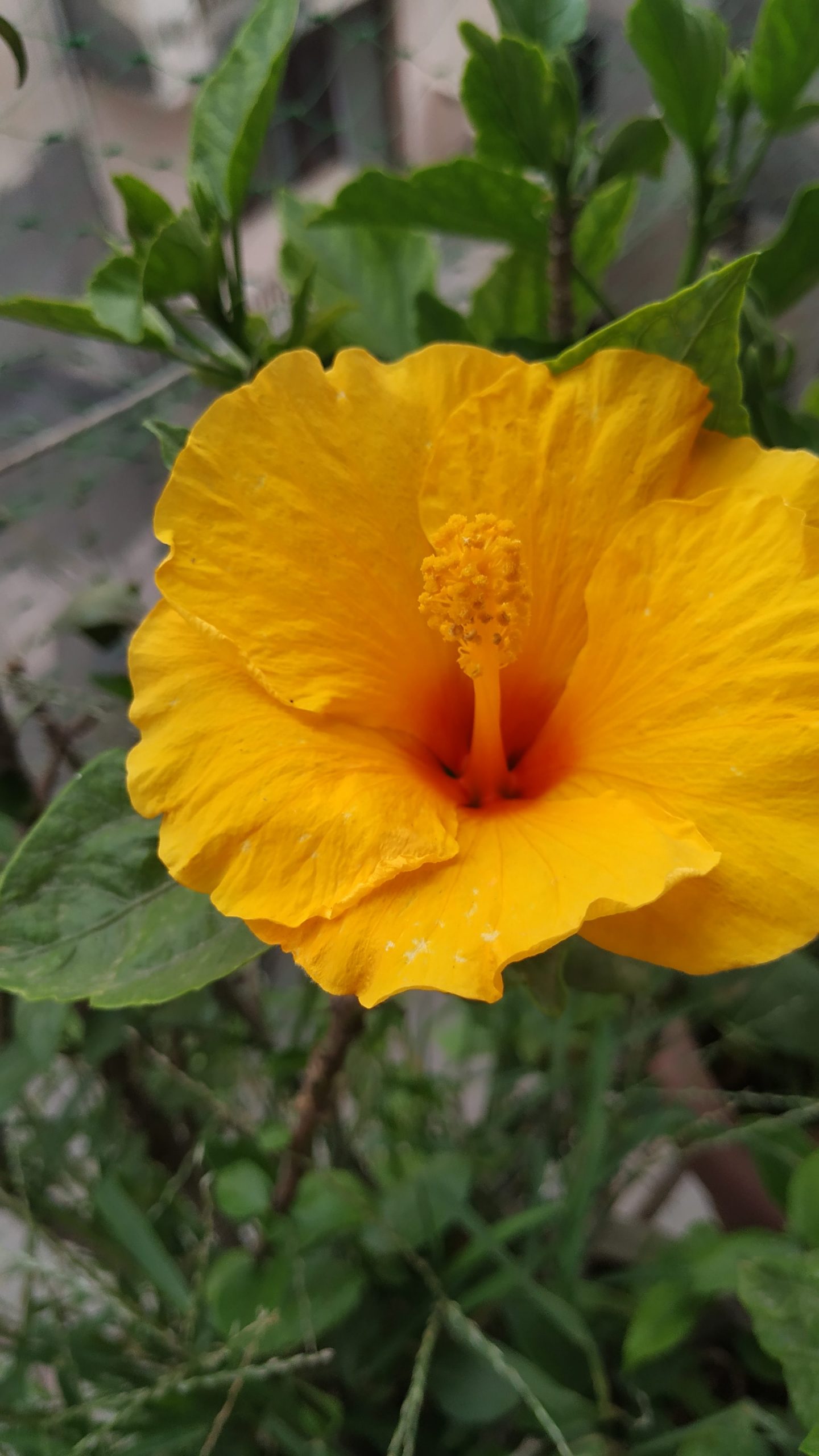
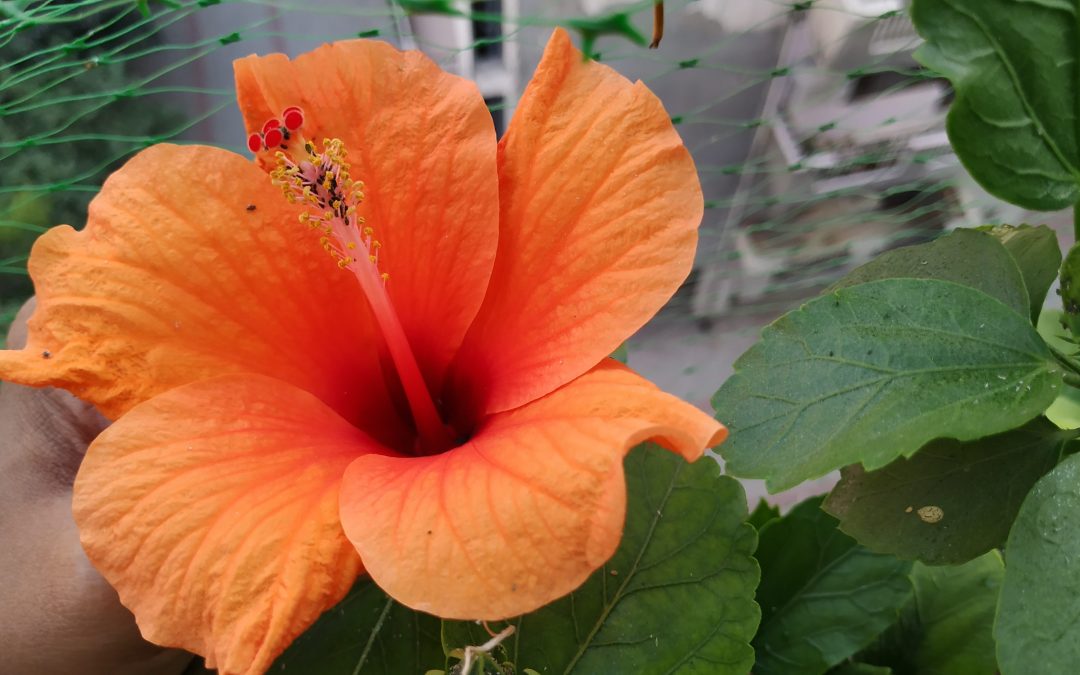
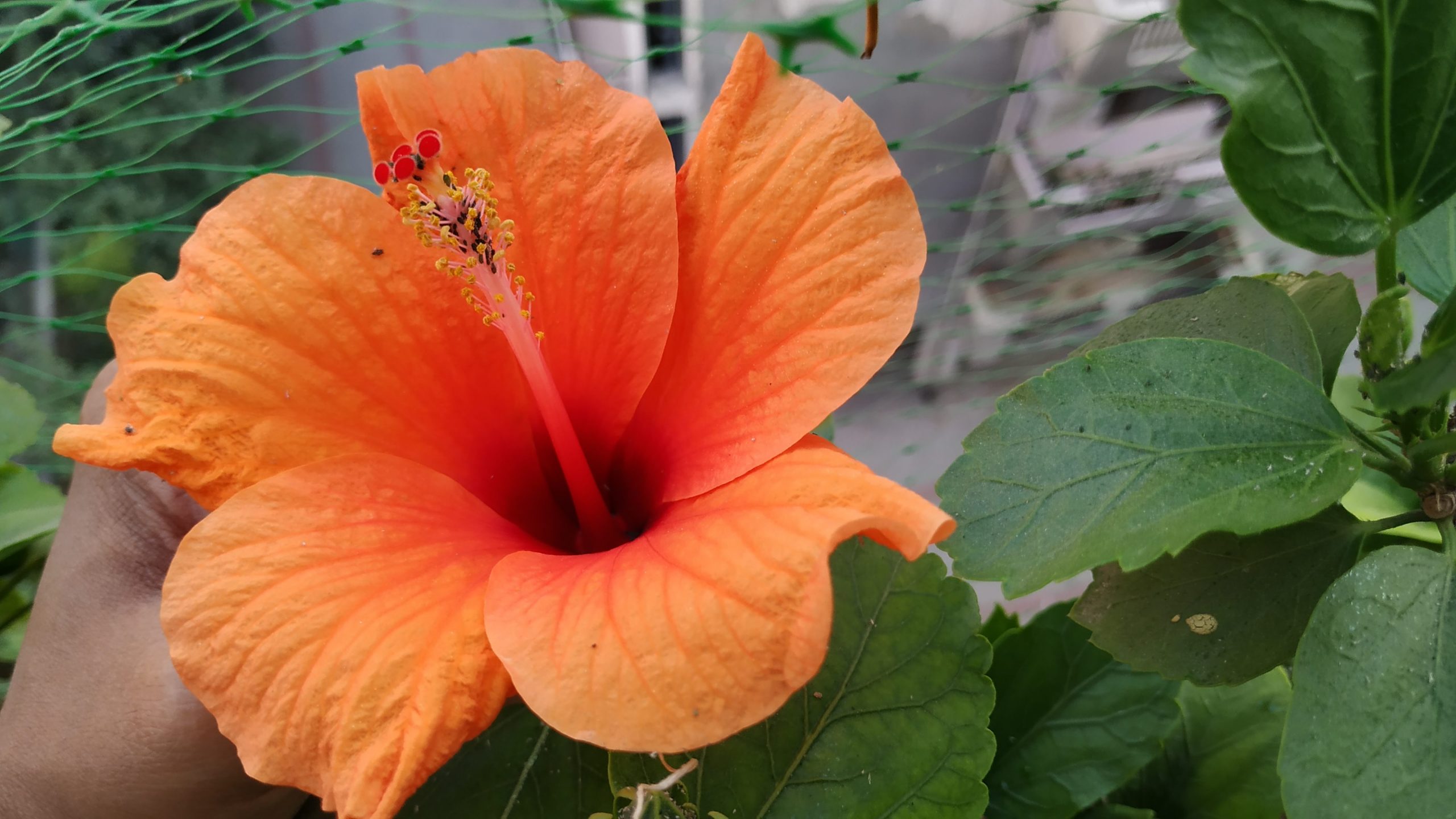
He started showing me the various plants available in stock at that time. He started with a pink variety which had larger flowers than the desi hibiscus variety, which I already own. He also showed a Yellow one along with Orange, a different shade of Red. So I asked him to give me one of each color.

I have added snippets of each plant, which I bought that day.
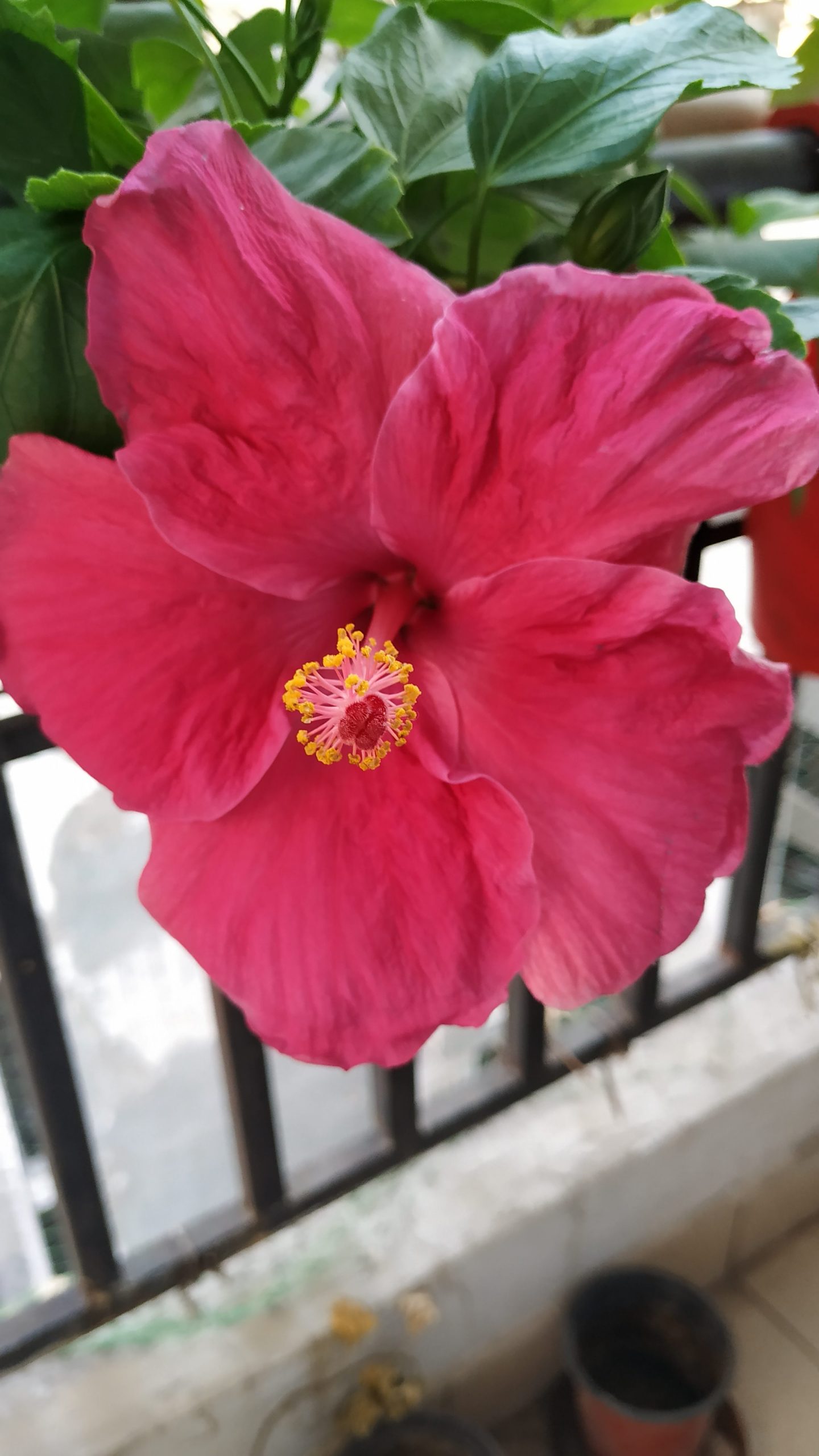
Back at home, I planted each of the plant in 12 inch plastic pots again with mostly cow dung manure. However, this time since the summer is approaching, I also added some cocopeat to the manure as well. This will help retain more water during the summer season.

This time as well, the plants were quite small and I was quite eager to see them grow as spring season approaches.

This time, to get even better results, I started applying micro-nutrients along with sea weed extract every 15 days. These help enrich the soil and help the plants get all the essential nutrients, which further enhances growth & blossom to their full potential.

All the plants were placed on the east facing balcony where they get almost 8 hours of sunlight daily. Also, watering is now required twice a day.

Watering once everyday will stress the plants in peak summer. Hence apart from the peak winters and the rainy days, make sure to water your hibiscus plants twice a day as these are heavy feeders. Also, the hibiscus plants have shallow roots so make sure to till the upper layer of soil every 15 days, so that the plant roots remain healthy and are able to absorb both nutrients and water.

As spring was approaching, within 10 days, I noticed few new leaves emerging from the stem. Definitely a good sign! As summer will approach, I am quite optimistic that this will emerge into a healthy plant and will bloom heavily and decorate my balcony garden for years to come.
First Gardening Venture

First Gardening Venture

My First Gardening Venture

Winter is Coming!

It is the onset of winter. It’s been 2 years, I have owned a 1 BHK with a east facing balcony. This season, I plan to add some personality to it. Let’s see what I can do!

Since, it’s my first venture, I wanted to go slow and see how it turns up. Also, I was not sure how much stuff should I put on the balcony. Another important aspect worth considering is the height/altitude. Well, I am at the 7th floor. So, I also have to consider the winds during an upcoming storm.

Damn! It’s a lot to take.

Seriously! Need a plan. And, ofcourse, I do have something in my mind to start with.

So, I planned a visit to a local plant nursary near my office. I asked for 3 hibiscus plants (Red, White and Pink) along with 3 earthern 12 inch pots.

Another important aspect worth discussing at this point is how much weight I should put over a hanging balcony. So I decided  not to choose soil as a medium. Basically, doing soilless gardening. Just to add up, a Kilogram of soil will be approx. 3 times greater than manure of same quantity. And if you add water to the soil, it becomes even heavier. 

The next important question is what to choose, something which is lighter and cheaper at the same time and is easily available and plants would love it?

The obvious option is manure only. To be specific, cowdung manure. Any plant would need some kind of fertilizer to grow. You cannot make a flower plant grow and blossom with just soil. However, one could choose to have just manure and grow a plant. Just make sure it’s completely decomposed before using it.

A few important points worth mentioning here, if you opt to go with soilless gardeing.

The pot which you choose should be porus in nature so that its not water-logged and also the roots are well airated. This is the reason, I choose the earthen pots against the plastic pots.

Although, it is quite possible to grow them in plastic pots. However, you have to be extra careful with the water and keep an eye on the soil porosity. It is not a problem for a seasoned gardener. However, if you are just starting. it is advisable to start with the earthen pot as it reduces the chances of damaging the root, incase, if you over water the plant.

Also, hibiscus plants are perineal plants. Meaning that it will keep on growing and blooming for many years to come.

Further more, if you are growing hibiscus in pots, the minimum pot size should be 12 inches and maximum  should be 18 inches. Hibiscus plant often blooms more when it is root bounded. So very large pot would mean wastage of soil and resource. And would increase the weight on your balcony.

Another factor to keep in mind here is that I have a full time day job. So my planning mostly revolves around minimilistic attention that would deliver good results if not the best. So most of my decisions and planning is done accordingly.

Hibiscus, if given the right conditions, grow quickly and start to bloom. Hence, I choose to get a small plant nearly a foot long and its just a single stem. I knew it would branch out soon after the winter season.

Also, an added peace if information. The red one in most cases will catch up growth and also bloom first as it is native to the Indian climate and its natural. However, the others would soon catch up and bloosom as well.

Let’s now discuss the growing conditions for hibiscus. The most important factor for hibiscus would be the SUN. It is a full sun plant so the more it is exposed to the sunlight, the more it will grow and blossom. On the contrary, if your hibiscus plant is deficiet of sunlight, it will grow slightly slower, but would bloom very less and mostly the flowers would be smaller in size as well.

Another important aspect worth mentioning here, hibiscus as mentioned earlier is a sun loving plant. So, in general the flower size in comparatively smaller during the winter than in summer. Also avoid planting new plant or repotting a hibiscus plant during peak winters (December & January), especially, if you are from North India. For South India and regions around Mumbai, where night temperature do not fall below 15 degree Celcius during winters, you can plant them all year round.

So finally I have 3 hibiscus plants in my balcony. I water them each morning during the winter and as the summer approaches, I start watering them twice a day, both morning and evening.

Just a side note, if the temperature drops below 10 degrees even during the day time and your soil is wet, just skip the watering for the day until the soil dries up. Also during the rainy season if your plant gets the rain water, even partially and the soil is wet, I would advice to skip the watering.

If you plant is not exposed to the rain and the soil is dry, then, you could ofcourse water it. In a nut shell, water only if the soil is dry, else skip it. 

Why am I putting so much emphasis over water is that most hibiscus plant die due to over-watering. Your hibiscus plant would survive if you skip water for a day even during the peak summers but if it is in waterlogged or soggy during the rainy season or during the winters, it is most likely to have a root rot and eventually die in a couple of days. In most cases, the root rot is usually irreversible.

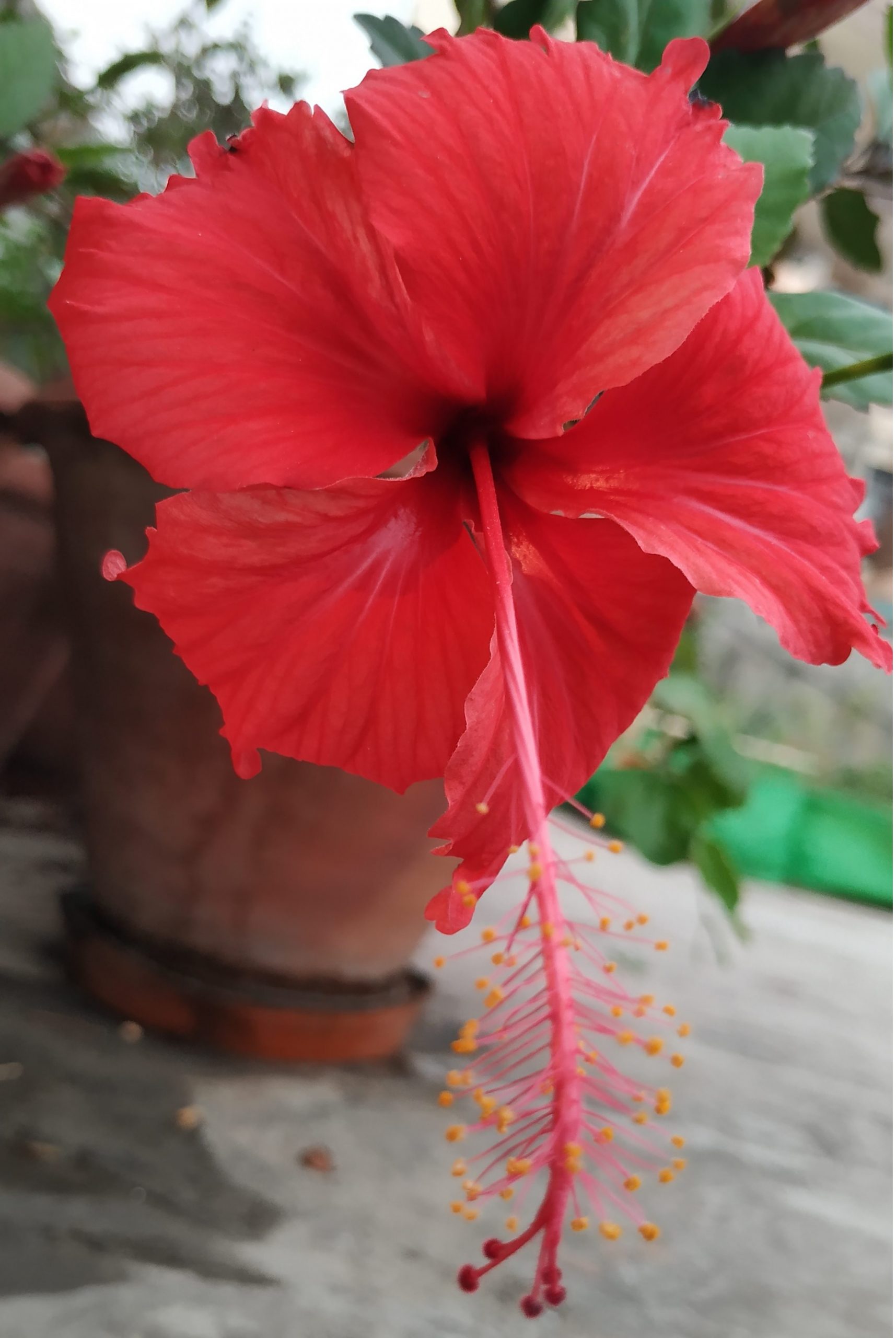
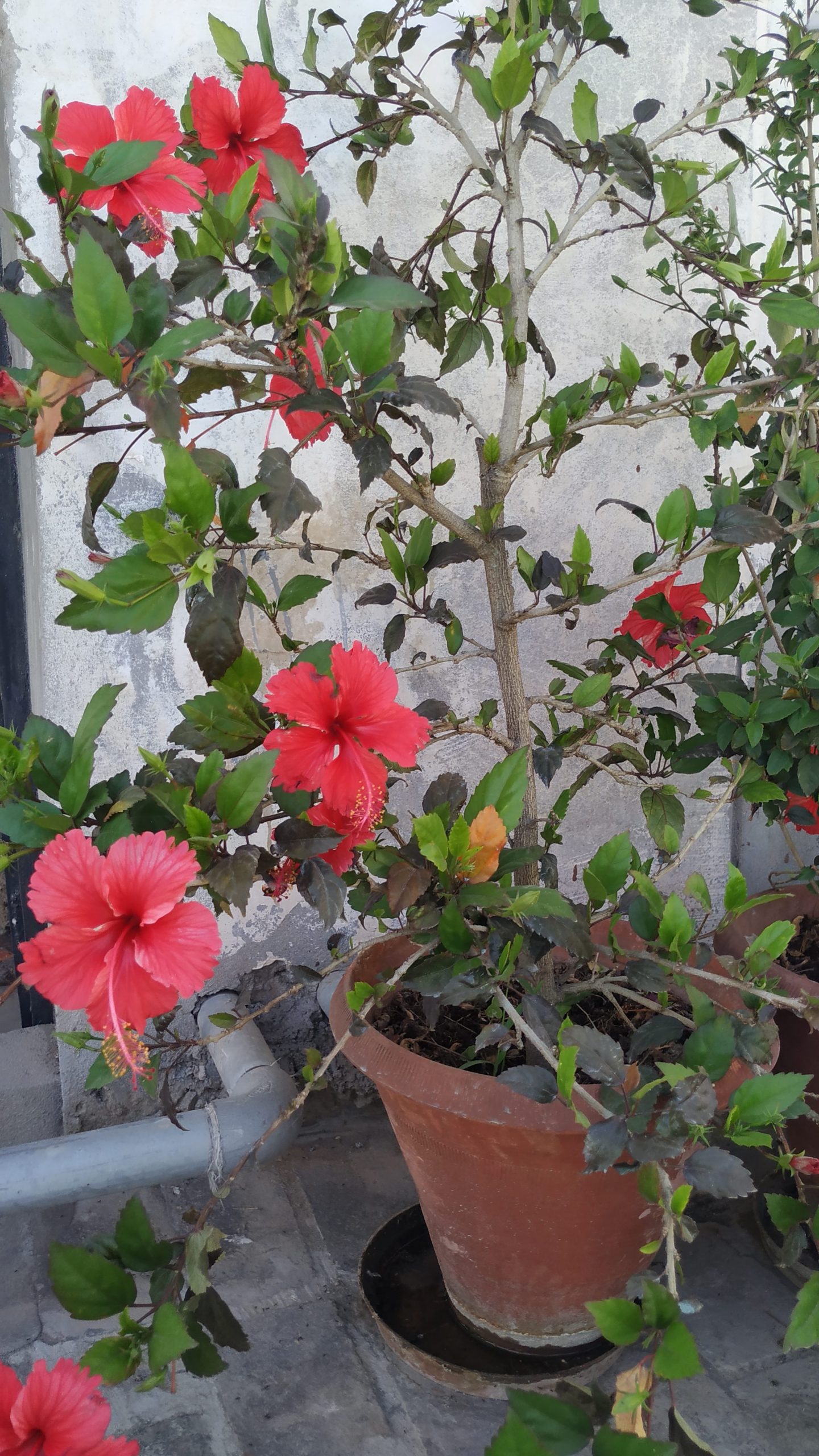
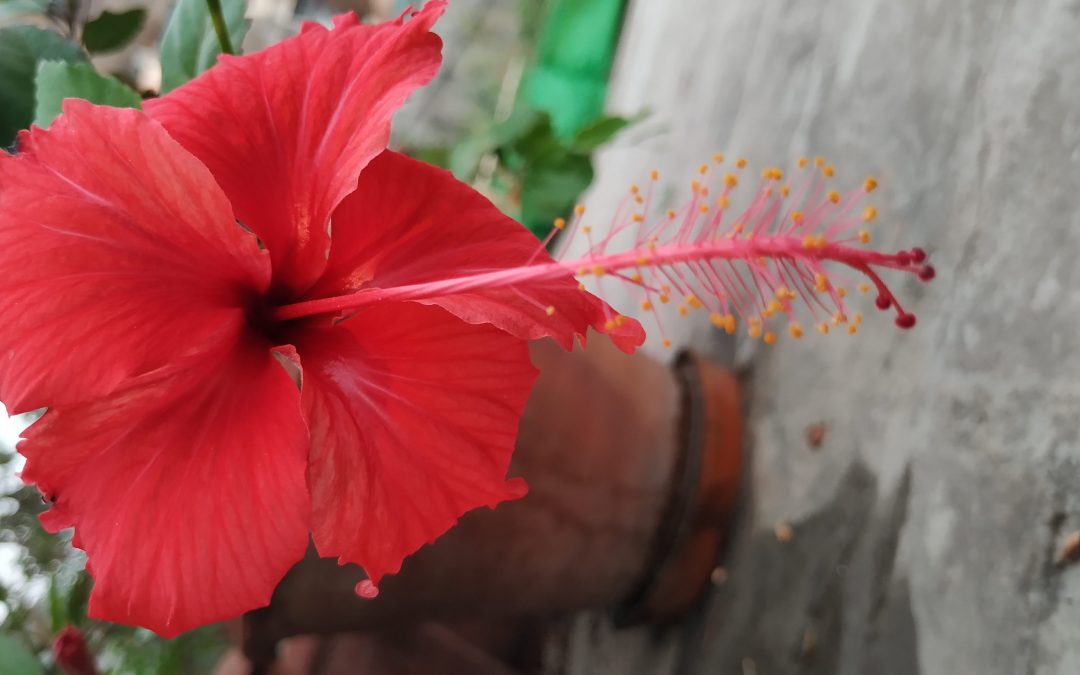
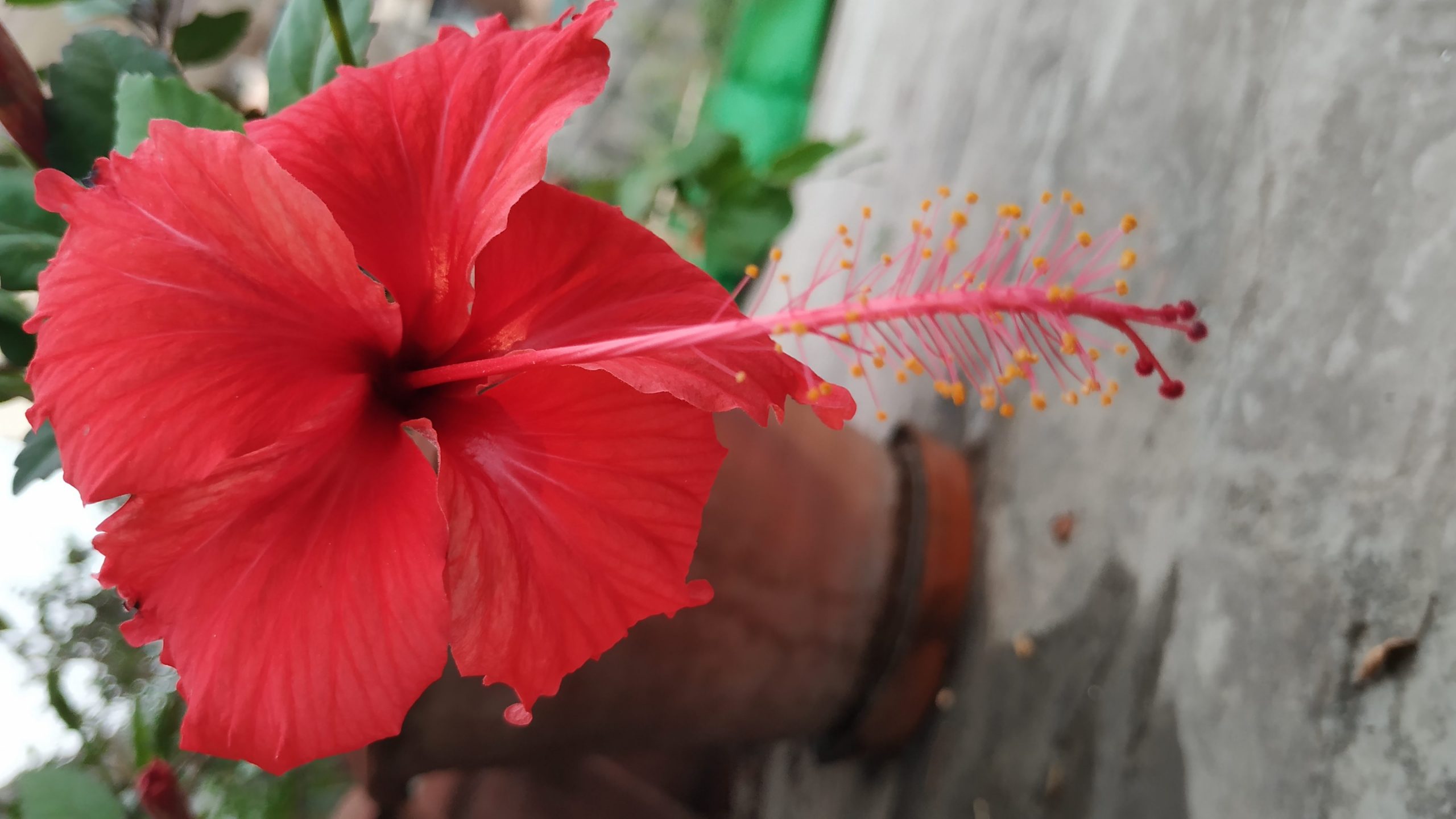
By December mid the red one started flowering. However, I am still waiting on the white and pink to flower.

I should admit that I am quite mesmerised by the blossoms!